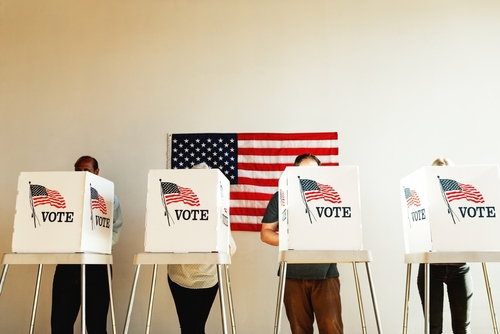
For generations, major proposals to establish an income tax in Washington have gone before voters. The Washington Secretary of State records 11 statewide votes involving personal or corporate income taxes, stretching from 1932 through 2010. Voters approved the first proposal in 1932, although it was later struck down by the state Supreme Court, and rejected each of the subsequent income-tax measures listed by the Secretary of State.
When lawmakers enacted Senate Bill 6346 in 2026, they had opportunities to continue that tradition by making the new income tax contingent on voter approval. House Amendment 2594 would have provided that most of the income-tax law could take effect only if voters approved a constitutional amendment authorizing an income tax at the next general election. The House rejected the amendment on March 9.
Lawmakers also rejected proposals that would have put key protections surrounding the tax before voters. Senate Amendment 696 and House Amendment 2548 would have made the law contingent on voters approving a constitutional amendment capping the rate at 9.9 percent and establishing a minimum $1 million standard deduction. Both were rejected.
Unlike many previous Washington income-tax proposals, the initial decision to impose this tax was therefore made by elected officials rather than submitted directly to voters. I-645 puts the broader question of Washington’s income-tax policy before voters in 2026.